
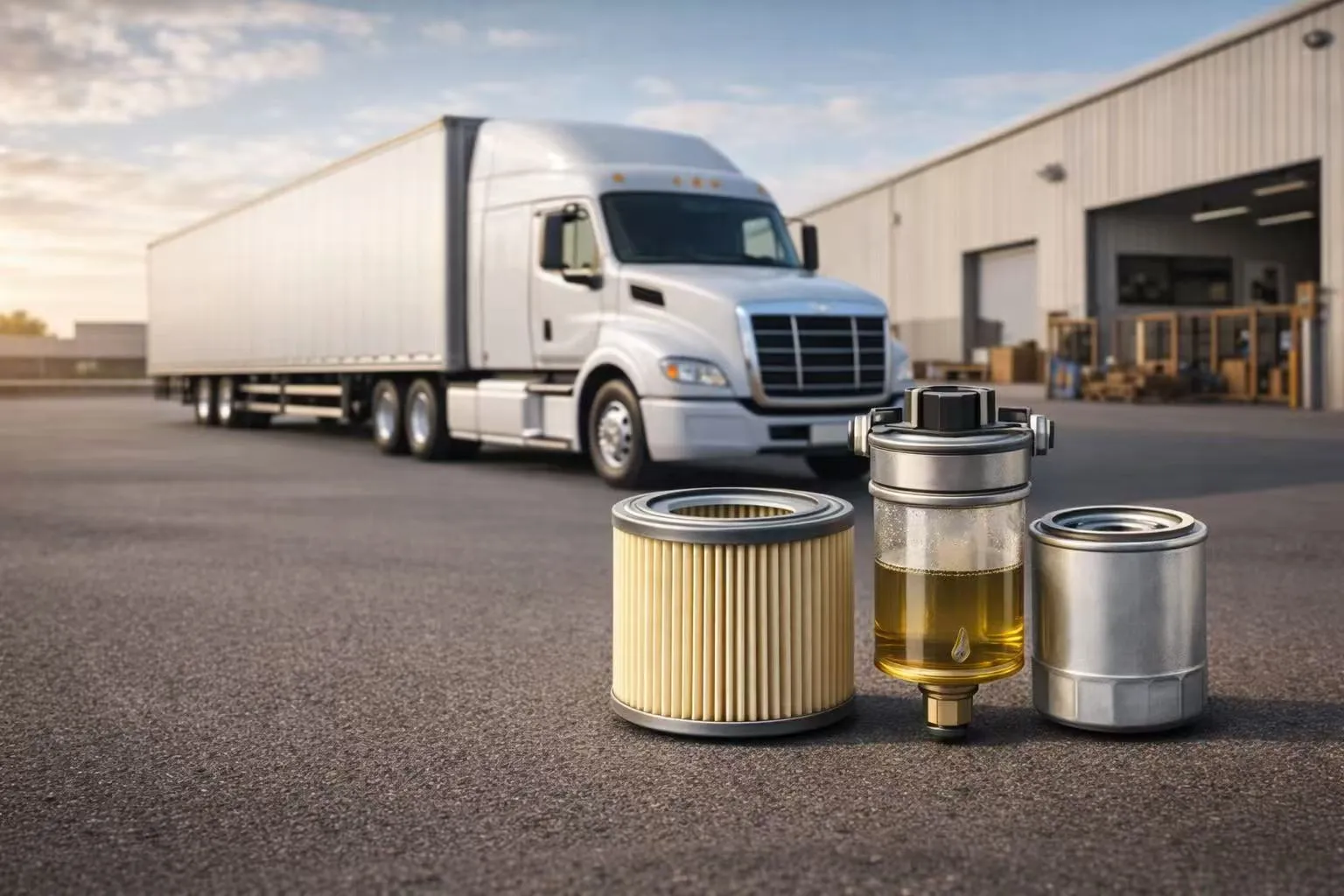
Truck filters are among the most frequently replaced parts in the Colombian aftermarket. They are simple to install, relatively low in unit value, and constantly in demand. Yet for many distributors, filters also generate a disproportionate number of complaints, returns, and inventory headaches.
The reason is rarely brand awareness or pricing alone. In most cases, the problem lies in assortment planning — carrying the wrong mix of filter types for real operating conditions. This article focuses on how experienced distributors in Colombia approach truck filter selection in a more systematic and practical way.

Filters are often treated as standard items. Many distributors assume that if the reference number matches, performance will be acceptable. In reality, filters sit at the intersection of engine protection, fuel quality, environment, and maintenance habits.
Common issues reported by Colombian distributors include:
• Short filter life
• Unexpected clogging
• Fuel system contamination
• Oil pressure warnings after replacement
These problems usually trace back to selection logic, not manufacturing defects.
Colombia’s truck fleet operates under highly variable conditions:
• Mountainous terrain with long climbs and high engine load
• Urban logistics with frequent stop-and-go operation
• Dust exposure on secondary and rural routes
• Variations in diesel fuel cleanliness
Each of these factors directly affects how air, fuel, and oil filters behave over time. Treating all routes and fleets as equivalent leads to mismatched expectations and unnecessary returns.
Air filters in Colombia often face heavier dust loads than distributors anticipate, especially outside major highways.
Practical selection notes:
• Standard paper filters may clog quickly in dusty routes
• High-surface-area designs perform better for mixed terrain
• Poor sealing causes unfiltered air bypass — a common but overlooked issue
Distributors who reduce air filter complaints usually do so by offering two clear air filter tiers, rather than one universal option.
Fuel filters are among the most sensitive components in the system. Variations in diesel cleanliness mean that filtration efficiency and water separation matter more than brand recognition.
Common problems:
• Early blockage leading to power loss
• Injector contamination complaints
• Misdiagnosed “engine issues” that are actually filter-related
A practical approach is to distinguish:
• Filters for standard fleet operation
• Filters designed for higher contamination tolerance
This reduces misapplication without expanding SKU count excessively.
Oil filters rarely attract attention — until something goes wrong.
Key points distributors often overlook:
• Flow restriction under cold starts
• Bypass valve consistency
• Media collapse under extended service intervals
For fleets operating long-distance routes, oil filter consistency matters more than nominal filtration ratings.
Many distributors try to solve filter complaints by adding more SKUs. In practice, this often increases:
• Stock pressure
• Mis-picks
• Confusion at the sales counter
Experienced distributors focus instead on:
• Clear positioning of each filter option
• Matching products to operating reality
• Training sales teams on when to recommend each option
This approach improves turnover while keeping inventories manageable.
Across Colombian truck markets, the same mistakes appear repeatedly:
1. Selecting filters only by engine model, not operating conditions
2. Prioritizing lowest cost without considering contamination exposure
3. Mixing supplier standards within the same filter category
Avoiding these mistakes usually reduces complaints faster than switching suppliers.
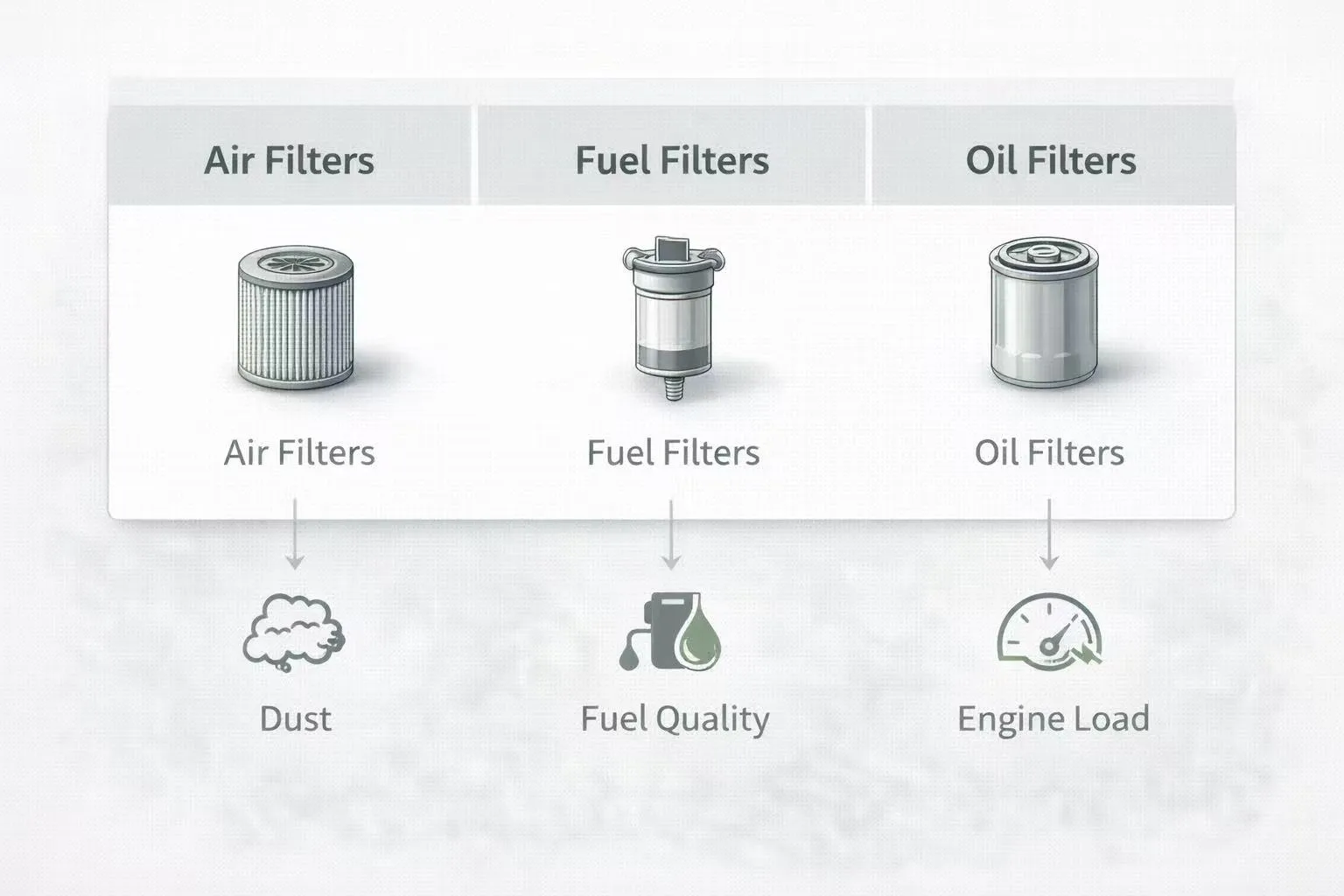
In Colombia’s truck aftermarket, filters are not a simple commodity. Their performance depends heavily on how well the assortment reflects real operating conditions.
Distributors who plan air, fuel, and oil filter ranges with dust exposure, fuel quality, and load patterns in mind see fewer returns, smoother stock movement, and stronger customer trust. The difference lies not in carrying more products, but in carrying the right combination.