
Across Latin America, the passenger car aftermarket is shaped by mixed vehicle origins, aging fleets, and price-sensitive service demand. Japanese, Korean, American, and European platforms coexist in the same market, often with long service cycles and high maintenance frequency.
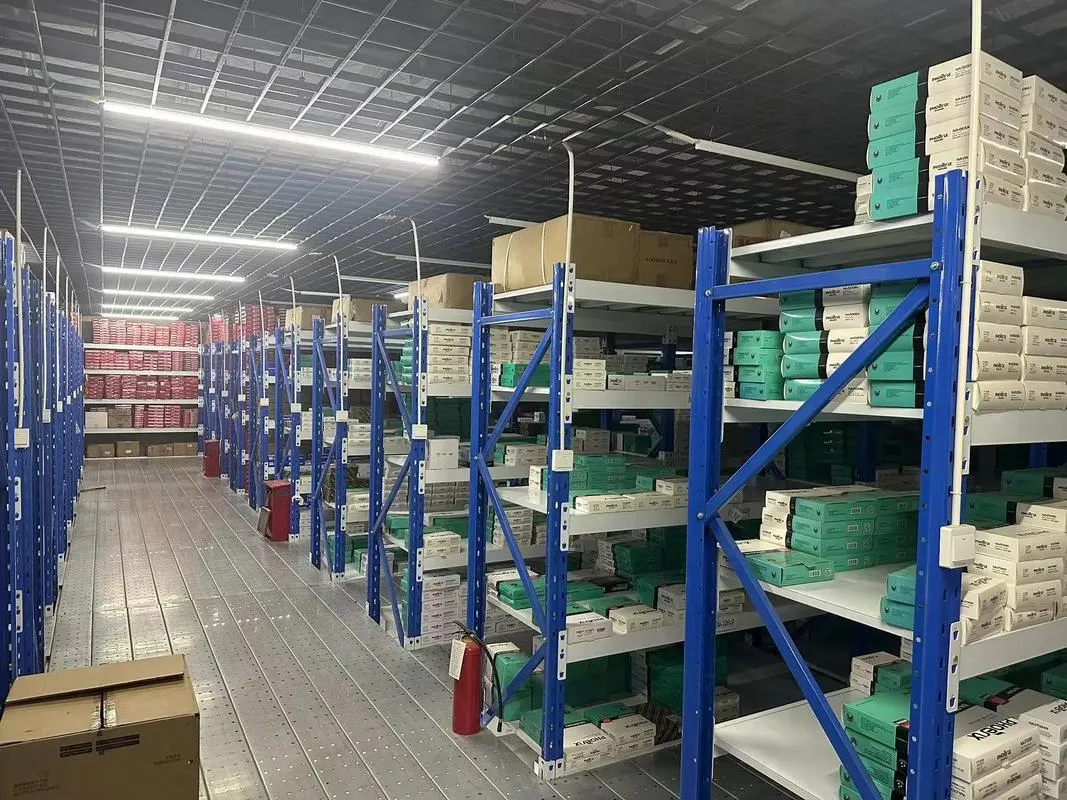
In this environment, many distributors respond by expanding SKU coverage aggressively. However, increasing part numbers does not automatically improve competitiveness. In practice, excessive SKU expansion often leads to slow rotation, fragmented inventory, and locked working capital.
The real challenge is not how many SKUs a distributor carries — but how well those SKUs rotate.
In competitive markets, distributors often feel pressure to “cover everything.” New part numbers are added continuously in response to isolated requests or competitor activity.
Over time, this creates:
• Inventory dispersion across low-frequency items
• Increased warehouse handling complexity
• Slower overall stock turnover
• Higher capital pressure
A large catalog may look impressive, but rotation — not size — determines financial health.
Coverage is often confused with capability. While broad coverage improves perceived professionalism, it does not guarantee profitability.
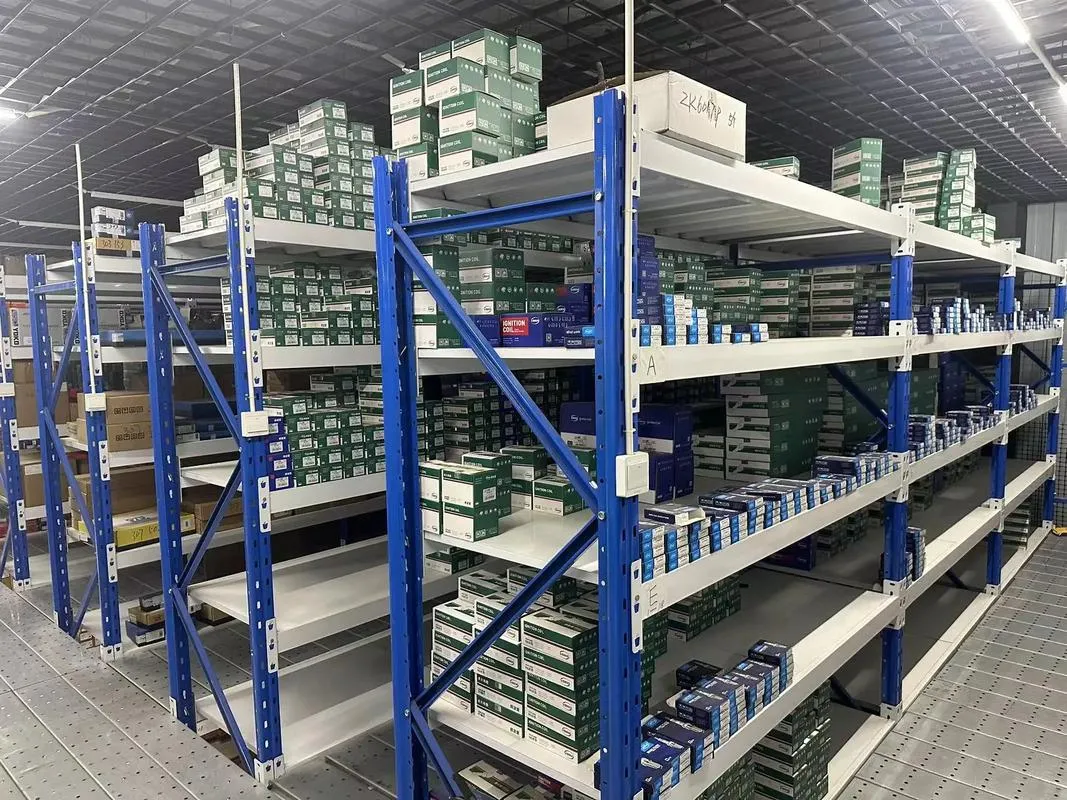
High-rotation parts generate:
• Stable reorder cycles
• Predictable replenishment planning
• Lower inventory risk
• Stronger cash flow
Low-frequency items, when overstocked, create imbalance and distort purchasing logic.
In Latin American markets, where demand volatility and currency fluctuations are common, controlled rotation is particularly critical.
Instead of organizing inventory by isolated part numbers, distributors benefit from grouping SKUs by vehicle platforms.
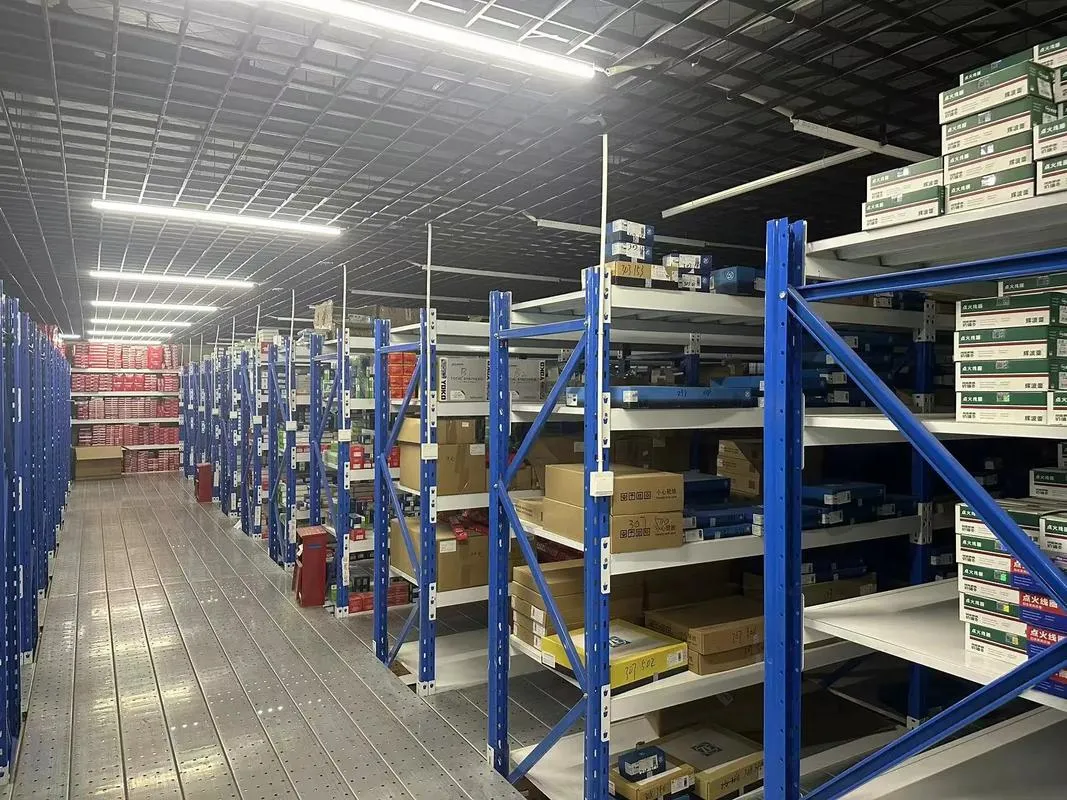
For example:
• Toyota Corolla platform
• Toyota Hilux platform
• Nissan Versa / Frontier platform
• Hyundai Accent / Kia Rio platform
By structuring SKUs around dominant platforms in the region, distributors achieve:
• Cross-model compatibility awareness
• Reduced duplication
• More efficient assortment expansion
• Clear replenishment logic
Platform clustering transforms random stocking into structured planning.
A practical assortment strategy prioritizes high-frequency service components before expanding into specialty items.
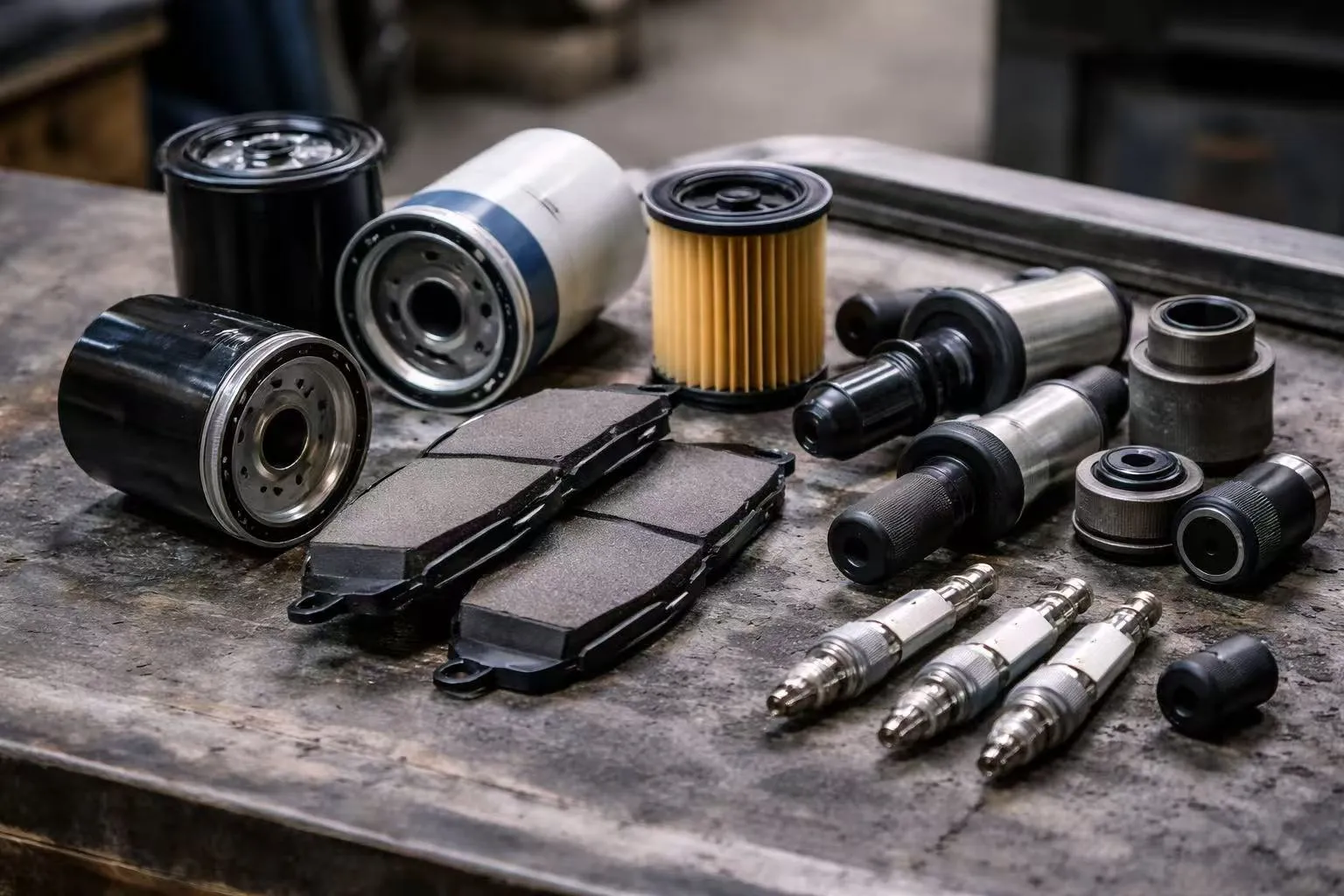
Typical high-rotation service categories include:
• Oil filters
• Air and cabin filters
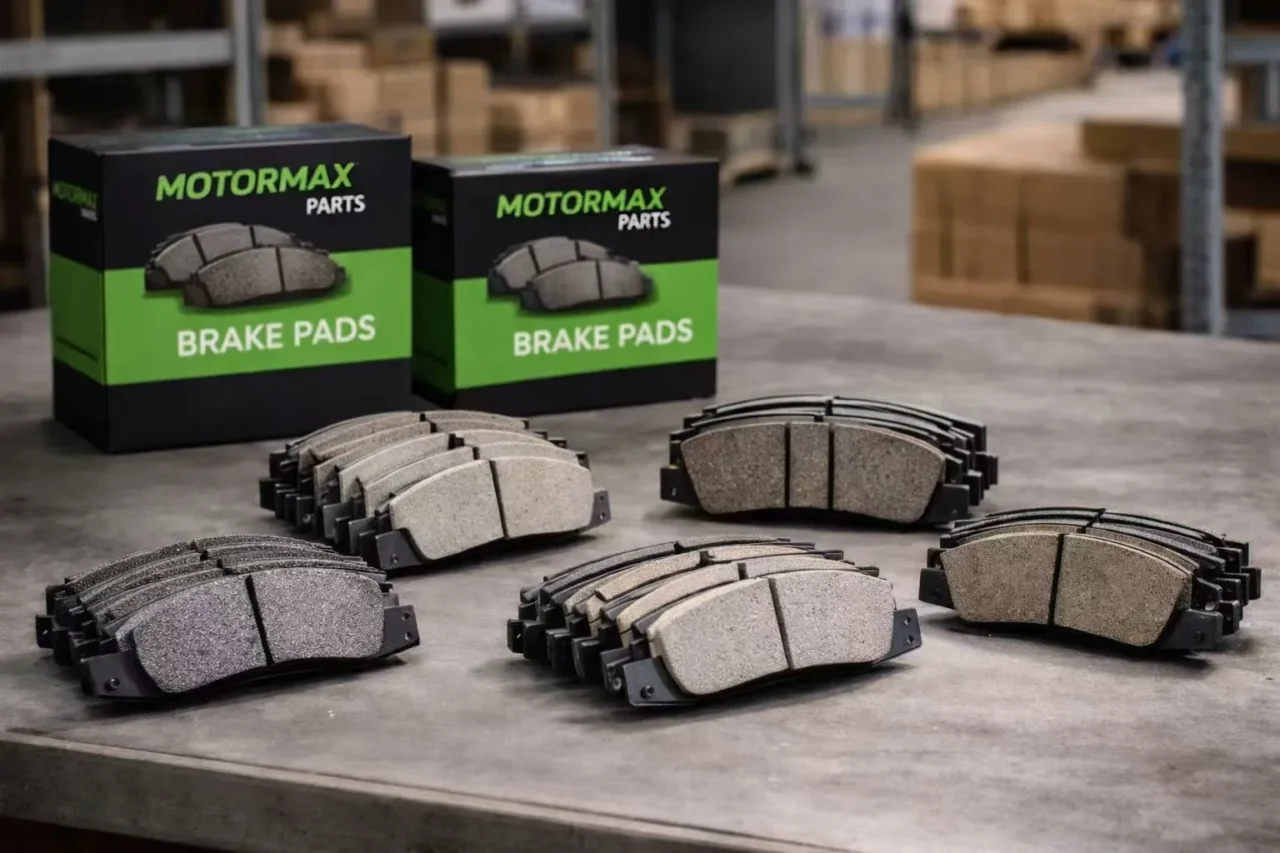
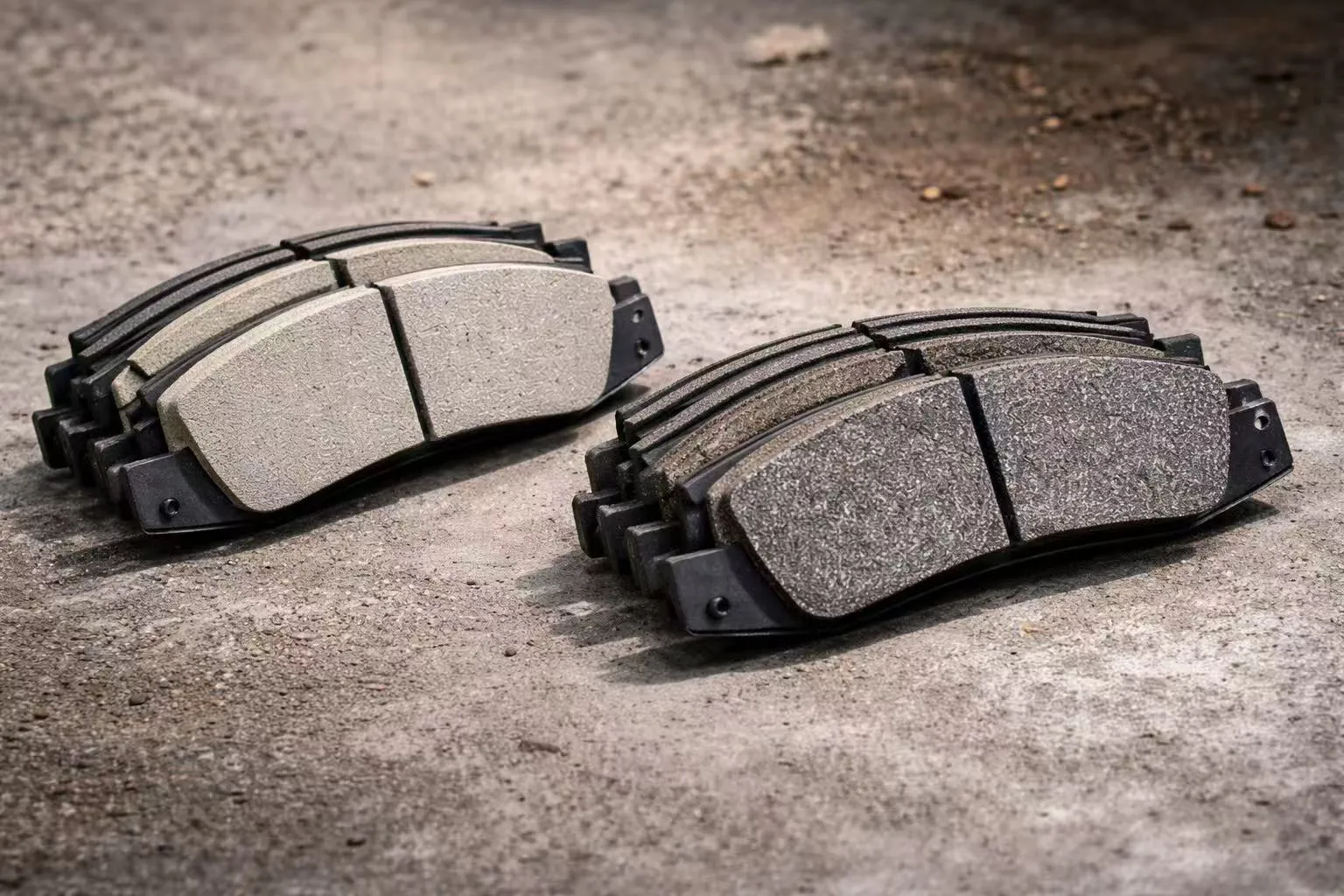
• Brake pads
• Rubber bushings
• Ignition components
• Wiper blades
These parts respond directly to maintenance cycles rather than accident-based or rare failures. Building a stable core around maintenance demand ensures consistent movement.
Sustainable distributors expand in layers — not in bulk.
A structured expansion model typically follows three stages:
1. Establish core high-rotation service SKUs
2. Add complementary items within the same platforms
3. Introduce secondary categories only after rotation stability is achieved
This gradual model reduces risk and prevents over-extension.
In Latin American markets, disciplined expansion often outperforms aggressive catalog growth.
In passenger car aftermarket distribution, scale is not measured by how many SKUs are listed, but by how efficiently inventory moves.
Too many SKUs without structured rotation logic create operational complexity and financial strain. A platform-based, maintenance-focused assortment strategy offers a more stable foundation for long-term growth.
In markets defined by diversity and price sensitivity, controlled structure — not uncontrolled expansion — becomes the competitive advantage.